Limited Long Term Safety Data
Regulators cleared it as safe, but scientists say long term studies are still needed.
Rising demand. Shrinking supply. The system is failing. The government's solution? Lab grown food. But is it really the answer, or a new problem?
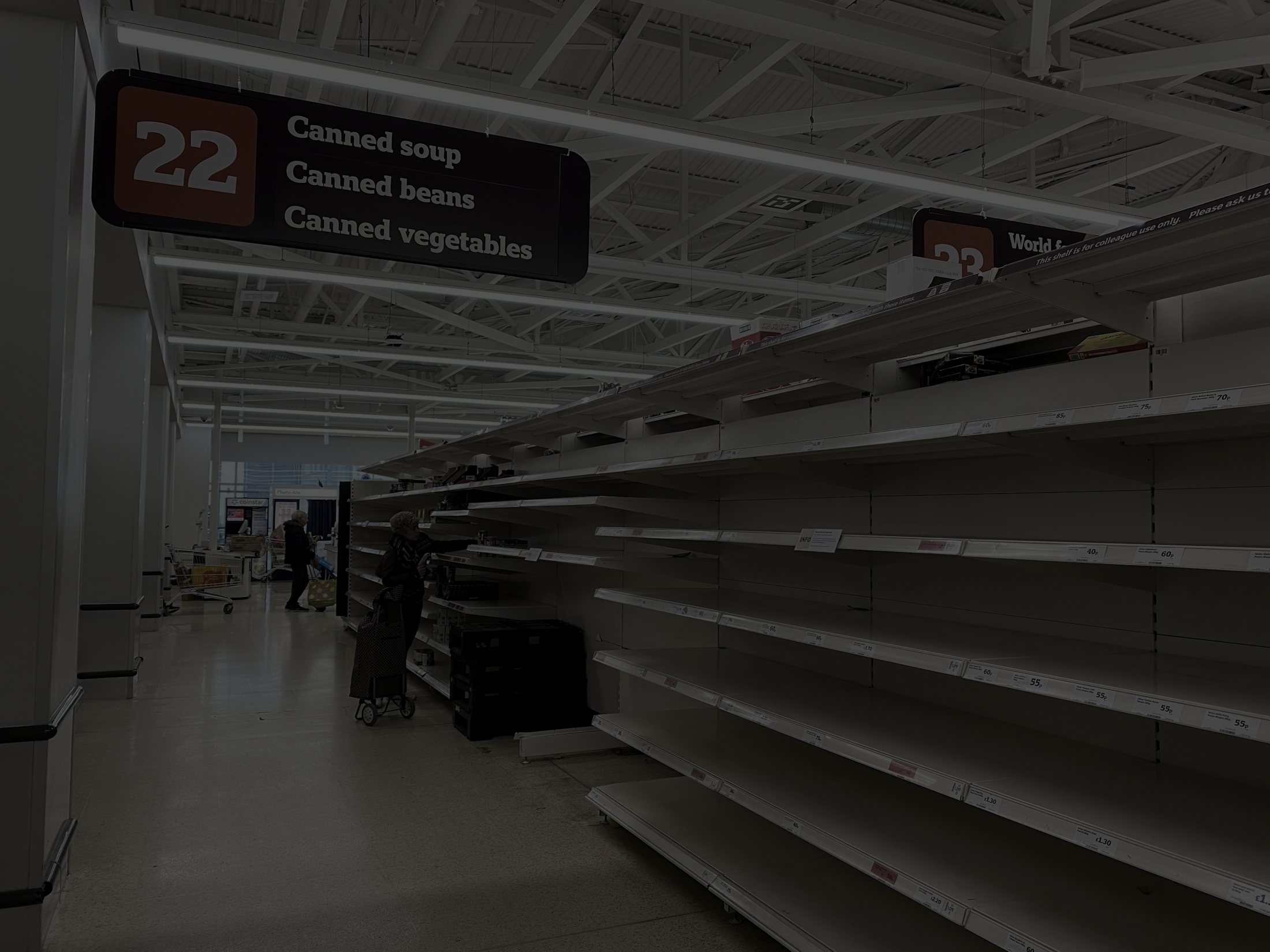
Learn the TruthGlobal food demand is projected to rise more than 50 percent by 2050, even as the United States loses roughly 2,000 acres of farmland every day. Grocery prices are about 24 percent higher than in 2020, and 47 million Americans now live in food insecure households. The pressure on our food system is real.
Explore the DataIllustrative trend. Demand is projected to rise faster than domestic supply. Sources: USDA Economic Research Service; World Resources Institute.
Line chart of U.S. food supply versus demand from 2000 to 2030. Supply rises slowly while demand rises faster, opening a widening gap.
The strain on American agriculture is not one problem. It is several, compounding at the same time.
The U.S. lost roughly 2,000 acres of farmland a day from 2001 to 2016, and the number of farms fell below 2 million in 2022 for the first time since before the Civil War.
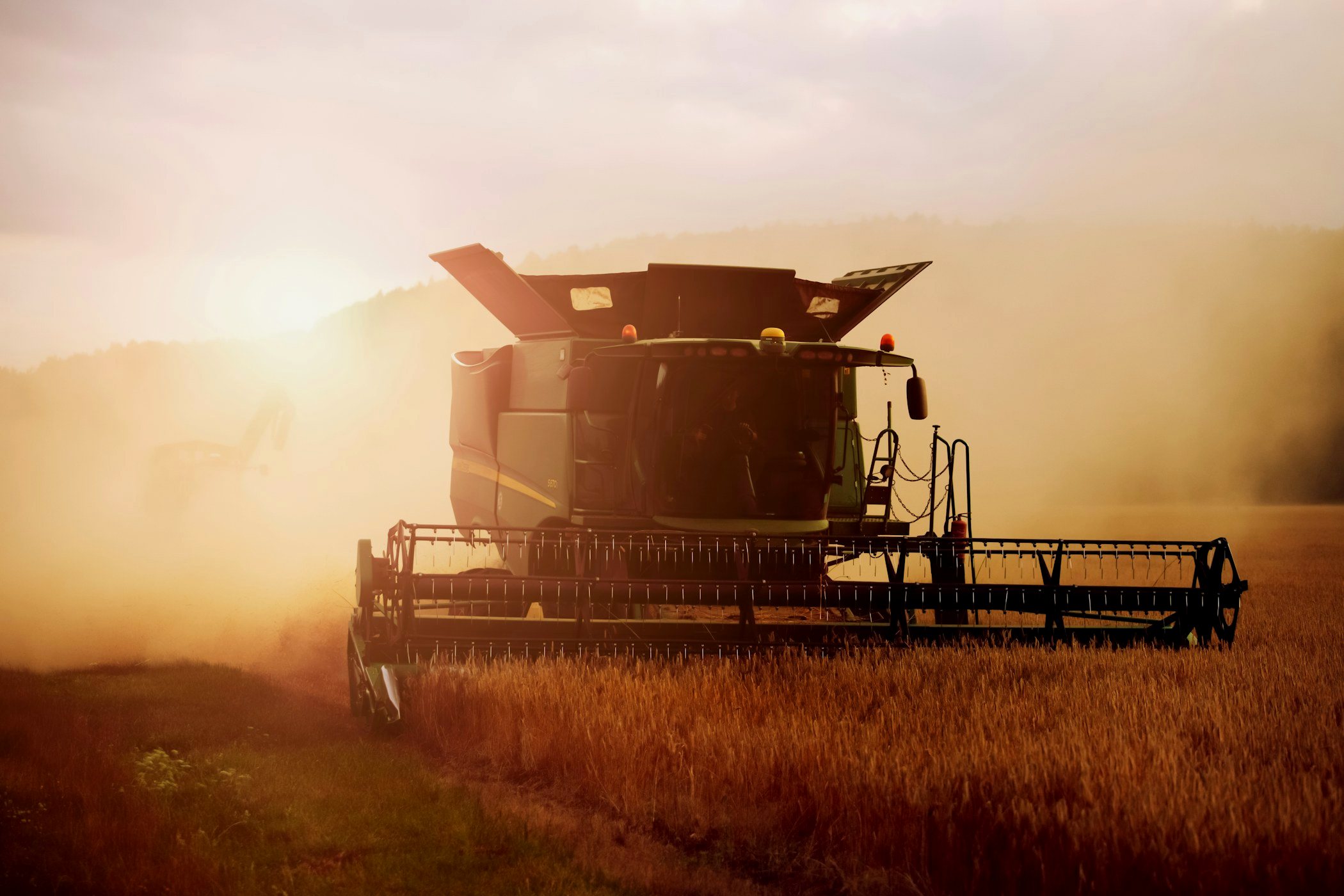
The average American farmer is now 58 years old, and far fewer young people are stepping in to replace them.
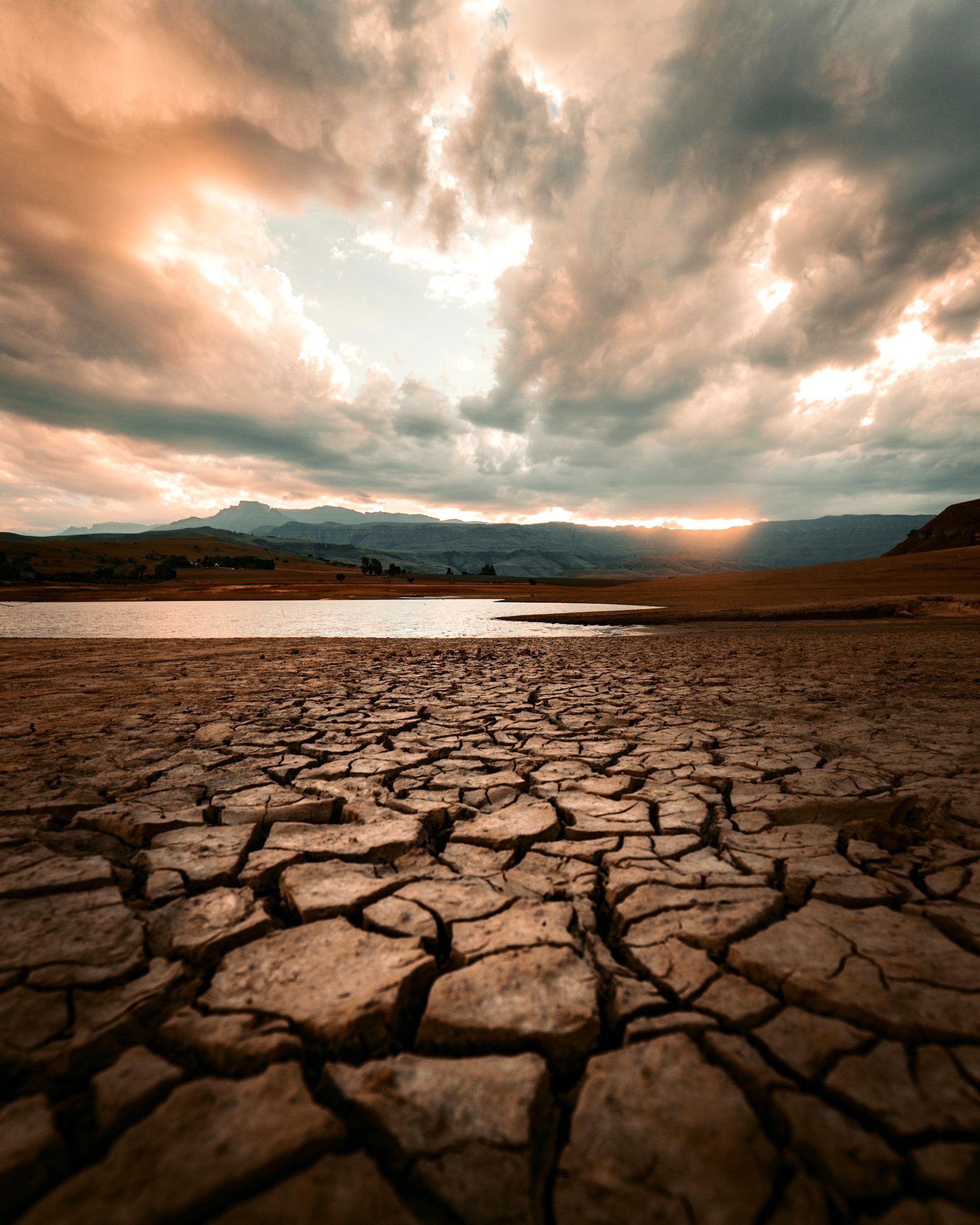
Droughts, floods, and record heat are cutting harvests and making yields harder to predict.
The aquifers and rivers that irrigate the heartland are being drained faster than they can refill.
The world is on course to need more than 50 percent more food by 2050 as population and incomes rise.
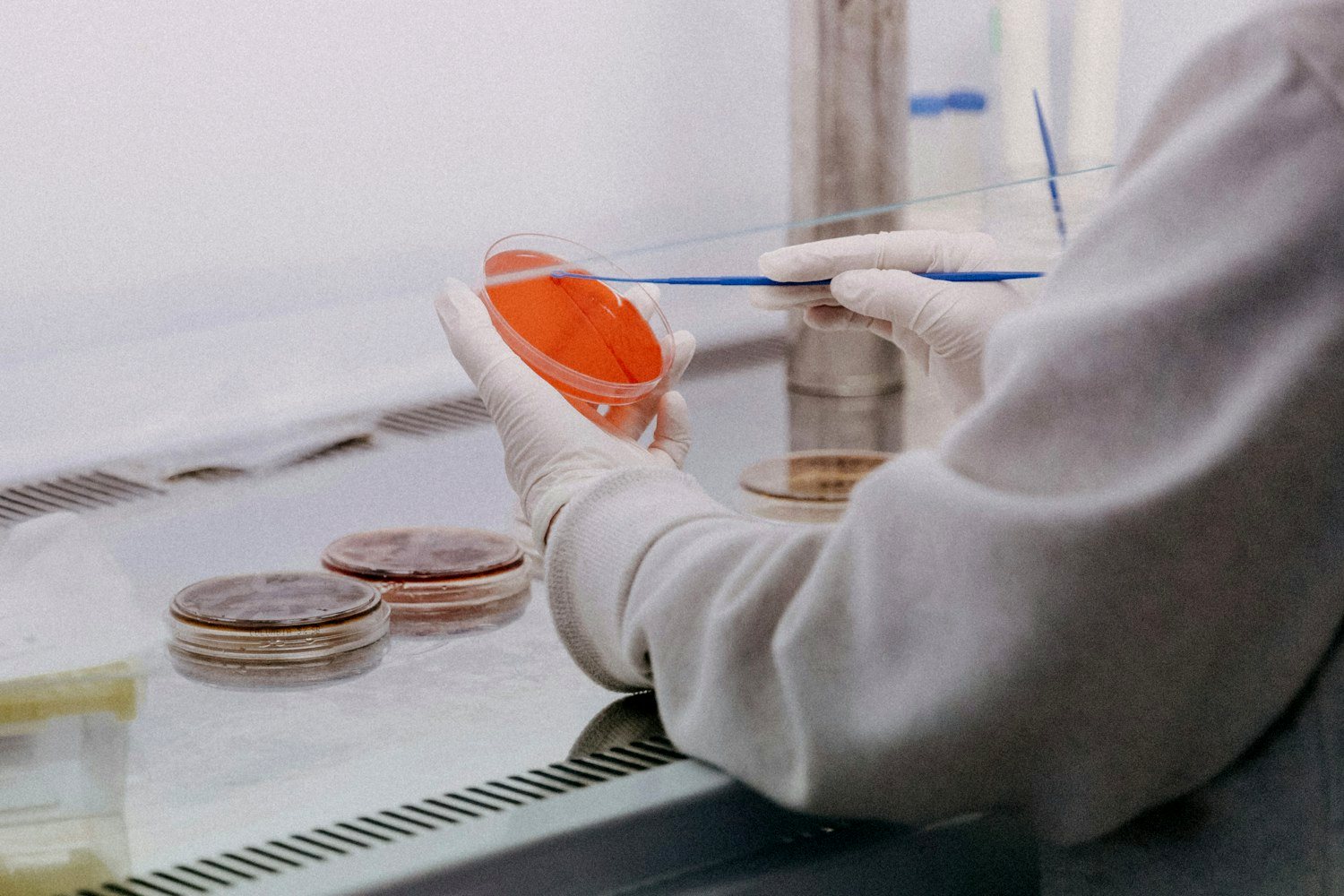
Cleared by U.S. regulators in 2023, cultivated meat is grown from animal cells inside steel bioreactors and harvested in about three weeks. Backers call it the future of food. The cost, the science, and the control behind it raise hard questions.
How It WorksNo farm and no animal raised for slaughter. Cultivated meat is grown from a small sample of cells inside steel tanks. Here is the process, step by step.
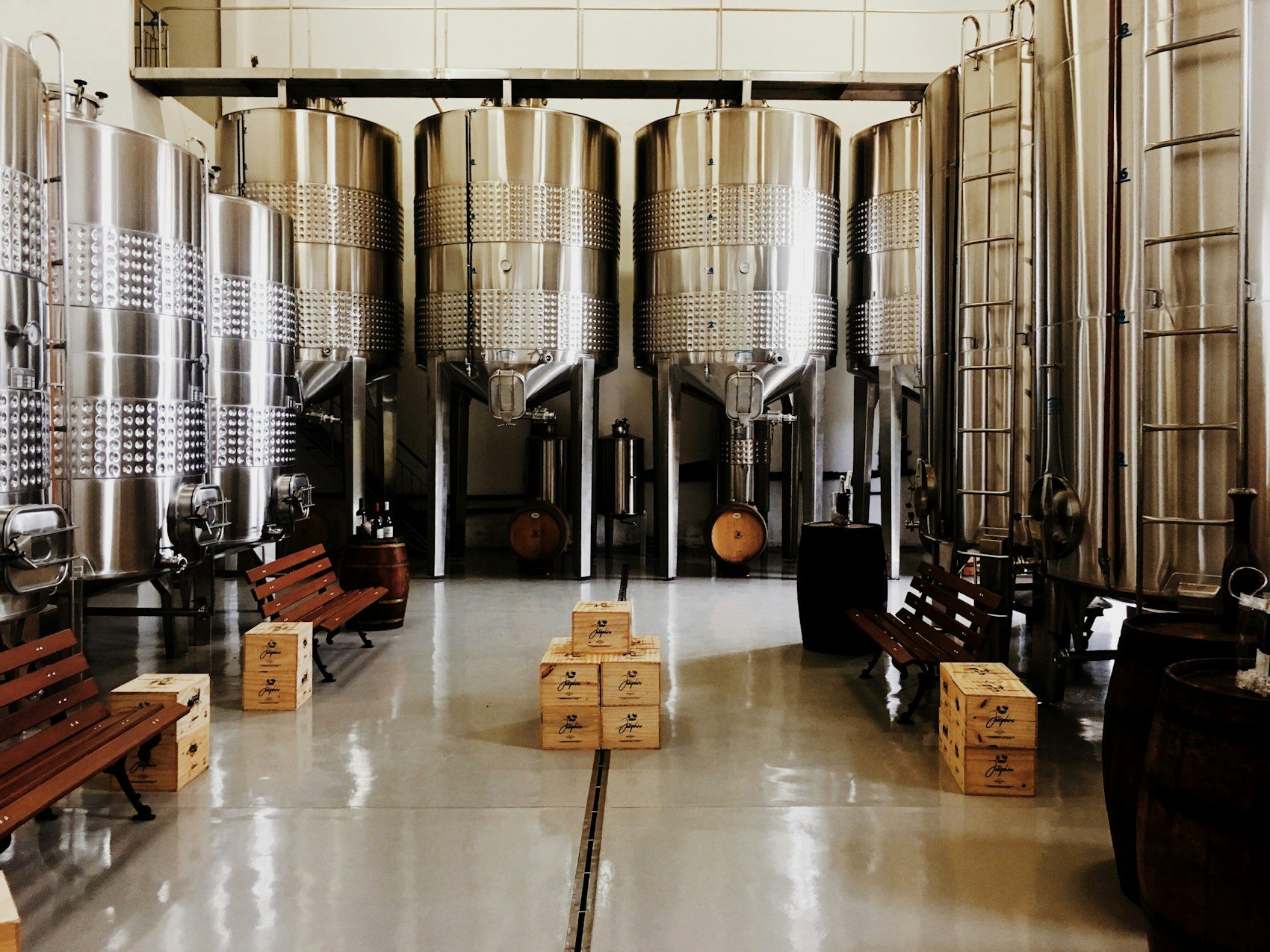
A small sample of cells is taken from a live animal in a harmless biopsy, then banked so it can divide almost indefinitely.
The cells are fed a broth of amino acids, sugars, vitamins, salts, and protein growth factors.
Inside steel bioreactors the cells multiply, then differentiate into muscle, fat, and connective tissue.
After two to eight weeks the tissue is harvested and shaped into nuggets, patties, and fillets.
Sources: Good Food Institute; Congressional Research Service.
Unveiled by a Dutch scientist at a cost of about 330,000 dollars.
The first country in the world to allow cultivated meat to be sold.
UPSIDE Foods clears the FDA's first cultivated meat safety review.
USDA approval follows and cultivated chicken is served in U.S. restaurants. Italy bans it outright.
Florida and Alabama ban cultivated meat, and more states follow.
Texas enacts a two year ban on cultivated meat sales, and the list of states restricting it keeps growing.
Real food becomes a movement. Americans rally behind real meat and the farmers who raise it, and the United States Food Reserve answers the call.
Regulators cleared it as safe, but scientists say long term studies are still needed.
Some producers use immortalized cells that divide indefinitely, a method still under study.
A few firms and patents could concentrate who controls the food supply.
The U.S. loses roughly 2,000 acres of farmland every day while focus shifts to labs.
It is hard to scale and afford, and 47 million Americans still cannot afford enough food.
Every figure below comes from public research and government data. Follow the sources and judge for yourself.
Americans lived in food insecure households in 2023, the highest number since 2014.
USDA Economic Research Serviceof U.S. farmland were lost or compromised every day from 2001 to 2016.
American Farmland Trustrise in U.S. grocery prices between 2020 and 2023 as food costs surged.
USDA Food Price Outlookprojected increase in global food demand by 2050 as population and incomes grow.
World Resources Institutethe year the FDA and USDA first cleared cultivated meat for sale in the United States.
CNN Businessinvested in cultivated meat to date, even as several states move to ban it.
Good Food InstituteThere is a quiet war on your plate, and most people will not notice until the real food is gone. While synthetic protein is brewed in factories and shipped under friendly labels, the families who raise our meat and grow our crops are being squeezed off their own land. $USFR is the answer we choose instead of waiting. It is not a product and it is not a promise of profit. It is a flag you can plant, a community token on Solana built so ordinary people can rally behind real meat, real soil, and the farmers who work it.
Every wallet that holds $USFR is one more voice that refuses to eat a future cooked up in a lab. Every swap is recorded on chain, in the open, impossible to quietly erase. Read the contract, verify the address, and decide for yourself. Real meat. Real food. Real farmers.
$USFR exists to push back against lab grown and synthetic food. Holding it takes a public side for pasture raised animals, soil grown crops, and the families who produce real food instead of the vats trying to replace them.
This is a community coin you join because you care about real food. There are no return promises and no financial advice here. Only people standing together for what they want on the table.
The embedded Jupiter swap completes your purchase right here in the crate, with no redirect to an unknown site. SOL is preselected and $USFR is locked as the token you receive.
Impersonators reuse our name and ticker constantly. The one thing they cannot fake is our contract address. It sits in plain sight with a one tap copy button so you can match it before you swap.
No buy tax and no sell tax. Liquidity is locked, mint and freeze authority are revoked, and the contract is open for anyone to read on Solscan before committing a single lamport.
Do not take our word for it. Confirm liquidity, holders, volume, and price independently on Dexscreener, Birdeye, and Solscan using the official contract address.
Official $USFR contract address (Solana). Scam clones copy our name and ticker every day, never our address. Match it character for character before you swap.
Loading contract address...
Only this address is the official $USFR. Verify it before you swap.
Install Phantom from phantom.com, create a fresh wallet, and write your 12 word recovery phrase on paper. Store it offline, never type it into any website including this one, and never share it.
Use the Buy button inside Phantom, or send SOL from an exchange like Coinbase or Kraken to your Phantom address. Keep roughly 0.02 to 0.05 SOL spare to cover small network fees.
In the crate above, click Connect Wallet, choose Phantom, and approve. SOL is set as the pay side and $USFR is locked as what you receive, so you cannot land on a copycat token by mistake.
Type the amount of SOL you want to commit. The widget instantly shows how many $USFR you will receive, the price impact, and the network fee before you confirm anything.
Open the settings gear and set a slippage tolerance. New community tokens move fast, so 1 to 5 percent is common. Check the quote, click Swap, and sign in Phantom. Solana settles in seconds.
Your $USFR balance appears in Phantom. Confirm the contract address matches the official address above, then track price, liquidity, and holders anytime on Dexscreener, Birdeye, or Solscan.
Not financial advice. $USFR is a community movement coin, not an investment. Crypto is volatile and can lose all of its value. Always verify the contract address and do your own research before you swap.
Yes. It is grown from real animal cells, not from plants. U.S. regulators treat it as meat.
The FDA found it as safe as conventional meat, but independent researchers say long term safety studies are still limited.
No. It is developed by private companies. Several states, including Florida and Alabama, have actually banned it.
Not yet. It is far more expensive. The growth media alone can be 55 to 95 percent of the cost.
No. The U.S. is one of the largest food exporters on earth. The real problems are cost, access, and the loss of farmland.
Support local farmers, buy whole foods, read your labels, and back regenerative agriculture.